

Get evaluated by licensed medical professionals and explore a clinically guided approach to managing PTSD, anxiety, and trauma-related symptoms—safely and effectively.
Medical cannabis works with your body’s endocannabinoid system to regulate stress response, reduce trauma-related symptoms, and support long-term emotional stability.
After struggling with long-term PTSD symptoms, many patients find meaningful emotional relief and stability through medically guided cannabis treatment.

— PTSD Patient • Verified Medical Cannabis Recommendation
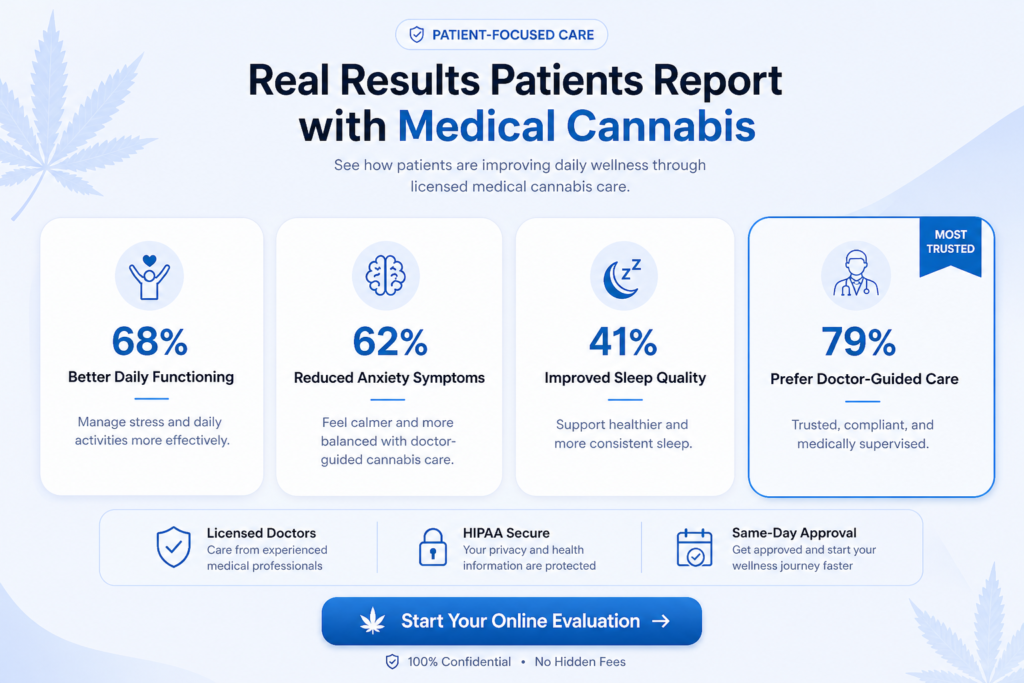
Based on aggregated patient-reported outcomes and clinical research trends in medical cannabis care.
Reduced reliance on anxiety medications
Patients report lowering dependence on benzodiazepines and similar prescriptions under medical guidance.
Fewer PTSD-related emergency visits
Consistent symptom management leads to reduced urgent care and crisis interventions.
Improvement in PTSD symptom severity Patients experience measurable relief in stress response, triggers, and emotional distress.
Better sleep and recovery cycles
Improved sleep quality helps regulate mood, reduce nightmares, and accelerate mental recovery.
Get started with a simple, secure process designed to match you with the right care and recommendations based on your needs.

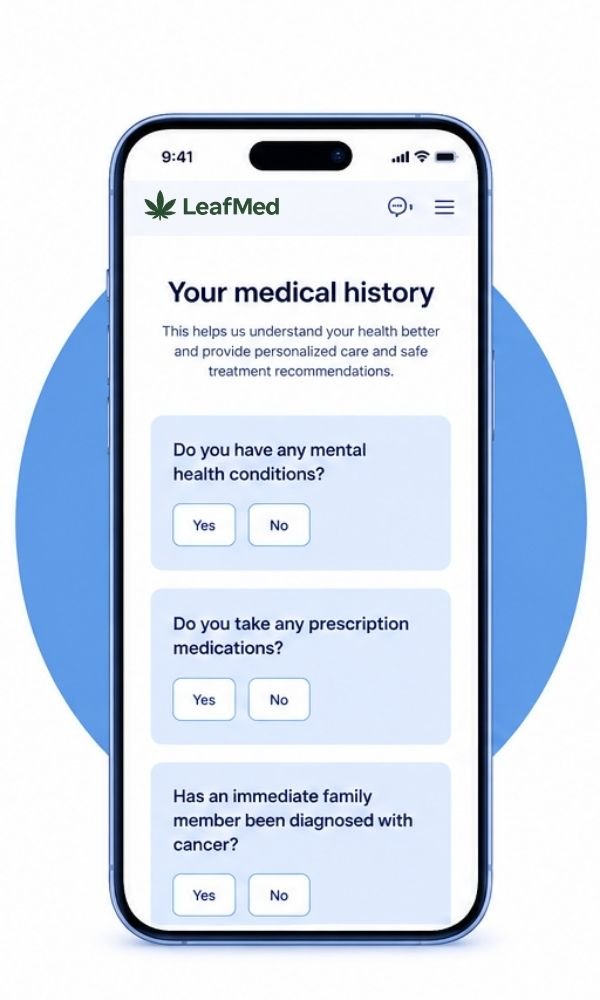
Complete a quick online form about your medical history and current condition.

Meet online with a certified medical professional to review your symptoms and eligibility.
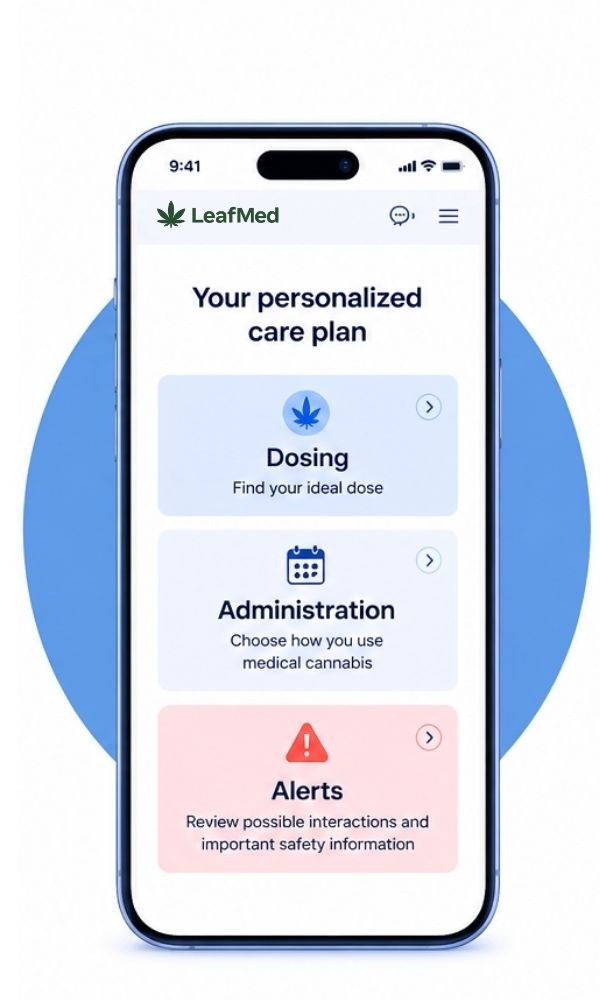
Get a personalized cannabis recommendation tailored to your condition and wellness goals.
Medical cannabis laws differ by state, but many—including California—recognize PTSD as a qualifying condition. Eligibility requires an evaluation by a licensed medical provider. You can complete this process online and receive a valid recommendation if approved.
Medical cannabis interacts with the endocannabinoid system to regulate stress response, reduce anxiety, and ease symptoms like flashbacks and sleep disturbances. It is commonly used to support emotional stability and improve overall mental well-being.
Some patients may experience mild effects such as dry mouth, dizziness, or fatigue. These vary based on dosage and individual response. A licensed doctor will guide proper usage to ensure safety and minimize unwanted effects.
In many cases, yes—but it depends on the medications and your health profile. It’s important to share your current prescriptions during your consultation so a licensed provider can assess potential interactions and recommend a safe treatment plan.